
 Ben Wildey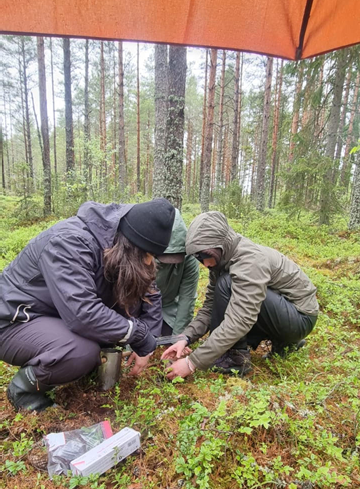
Today I had the opportunity to interview my friend Phoebe who is a 3rd year Biological Science student who took a year abroad to study in Sweden!
Q: What first sparked your interest in science while you were at school?
I’ve always loved nature, especially growing up in the Yorkshire Pennines, so biology naturally became my favourite science. When I started studying it as its own subject in secondary school, I found it really interesting.
I also had some great teachers who made science feel relevant to real life, rather than just theoretical. I think because I genuinely enjoyed the subject, I found it easier to remember the content and doing well in class encouraged me to continue with science into further education.
Q: When you were in sixth form, did you always know you wanted to study science at university, or did that decision come later?
I chose Chemistry, Biology, and Psychology at A-level, so I always knew I’d stay within science if I went to university. Biology had stood out as my favourite even before college, so I think I had a strong idea quite early on that it was what I wanted to pursue further.
Q: What factors influenced your choice of course and university the most?
I looked at a range of universities, but what mattered most to me was the number of opportunities available. I wanted a course with a wide variety of modules and flexibility, so I could shape my degree around my interests.
A year abroad was something I was set on doing, so that narrowed my options. In the end, visiting University of East Anglia on open days really made the decision for me, the campus atmosphere, as well as the sports and societies on offer, stood out and made it feel like the right fit.
Q: What expectations did you have about studying science at university before you started?
I expected it to be very intense and quite difficult, especially with the stereotype around science subjects. I imagined lots of lab work and field trips, and overall just a more demanding version of what I’d experienced at college but also more interesting and in-depth.
Q: What was the biggest adjustment when you first arrived at university?
The biggest adjustment was definitely the scale and independence. Sitting in large lectures with over 200 students felt very different to the smaller, more interactive classes I was used to.
I found it challenging at first not being able to ask questions as easily or build the same kind of relationships with lecturers. More than anything, it was the shift to independent learning. No one is telling you exactly where to be or what to do, so you have to take responsibility for your own studies. Over time though, you do adapt to that.
Q: Looking back now, what advice would you give to your sixth form self?
I’d say not to stress too much about the academic side of university. Everyone is starting fresh and learning at the same pace, so you’re not behind.
You really get out what you put in so if you attend lectures, stay engaged, and make the effort, you’ll keep on top of things. It’s also one of the best ways to meet people and build friendships, which is just as important as the academic side.
Phoebe’s experience shows that university isn’t just about choosing the right subject, it’s about embracing independence, exploring opportunities, and actively shaping your own experience.