
 Ben Wildey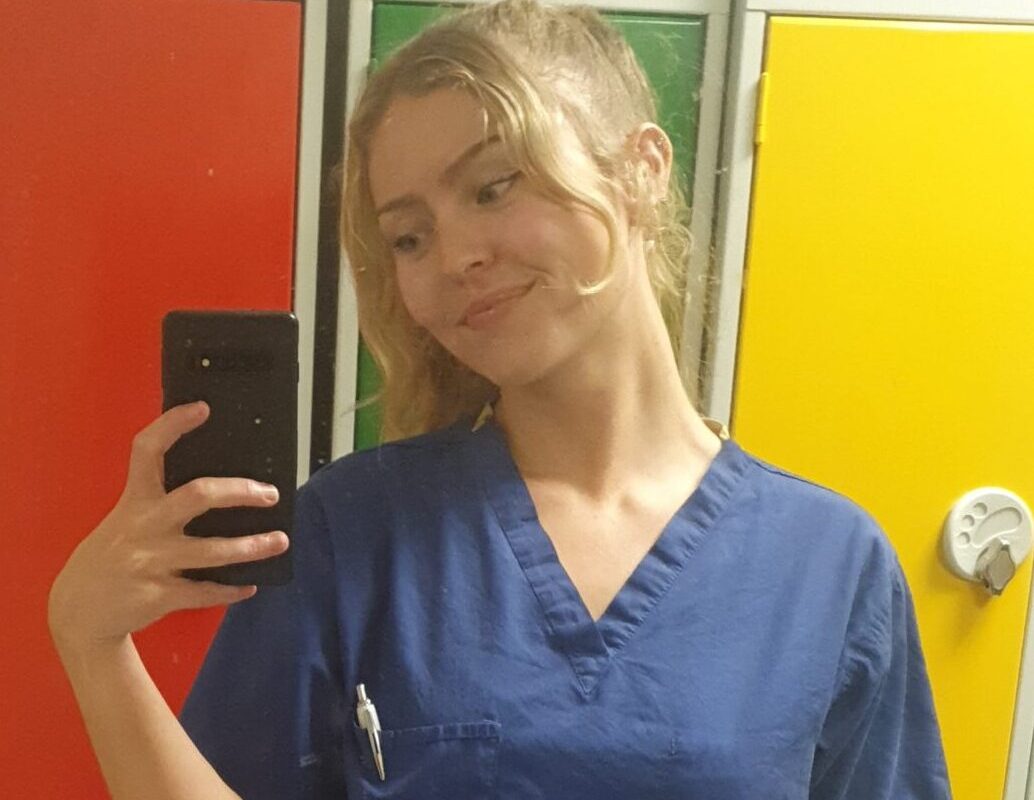
Today I had the opportunity to interview my friend Holly who is a 3rd year Biomedicine student who took a foundation year!
Q: What first sparked your interest in science while you were at school?
I think I always gravitated towards science, even back in primary school. It was just something I naturally enjoyed, and as a bonus, it was always a subject I did well in too.
Q: When you were in sixth form, did you always know you wanted to study science at university, or did that decision come later?
I always knew I wanted to go into science, but my exact path changed over time. Initially, I wanted to study veterinary medicine. However, once I spent time in a lab environment, I realised I preferred the research side of science. I also knew I’d find it too emotionally difficult to deal with putting animals down, so that helped me rethink my direction.
Q: What factors influenced your choice of course and university the most?
I looked closely at the modules offered to see what I’d enjoy most. I liked that University of East Anglia is very research-focused, which really appealed to me.
Location was also important, I wanted to be far enough from home to feel independent, but still close enough to go back if I needed to. I also checked university league tables and spoke to someone I knew who had studied at UEA, which helped me make my decision.
Q: What expectations did you have about studying science at university before you started?
I expected there to be a lot of lab work and maybe more choice within labs. I also thought it would be quite difficult and that I’d spend more time in university than students on other courses but I didn’t mind because I was really excited.
I assumed it would be much more independent, with fewer opportunities to ask for help, but actually, there’s a lot of support available, which has been really helpful.
Q: What was the biggest adjustment when you first arrived at university?
Definitely learning to study independently. At school, teachers guide you through everything and set clear assignments, but at university, you have to take initiative.
Another big change was starting coursework much earlier. At school, I might complete an assignment in a week, but at university, starting a month in advance really helps manage the workload.
Q: Looking back now, what advice would you give to your sixth form self?
I’d tell myself not to doubt my intelligence. I had a teacher at school who could be quite discouraging, and that definitely affected my confidence.
I’d also say don’t be afraid to change your mind, your interests can evolve, and that’s okay. For example, I’m now planning to go into graduate-entry medicine after this degree.
And finally, don’t be afraid to ask for help. Most teachers genuinely want you to succeed, and staying quiet only makes things harder.
Her journey shows that choosing a degree isn’t always a straight path but staying open to change and trusting your instincts can lead you exactly where you’re meant to be!